
Pourquoi un calendrier était la dernière pièce qui manquait à Franz
Ajouter un calendrier à Franz était facile. Le faire vraiment appartenir était la partie difficile. Pourquoi j'ai attendu la messagerie, l'e-mail et l'IA.
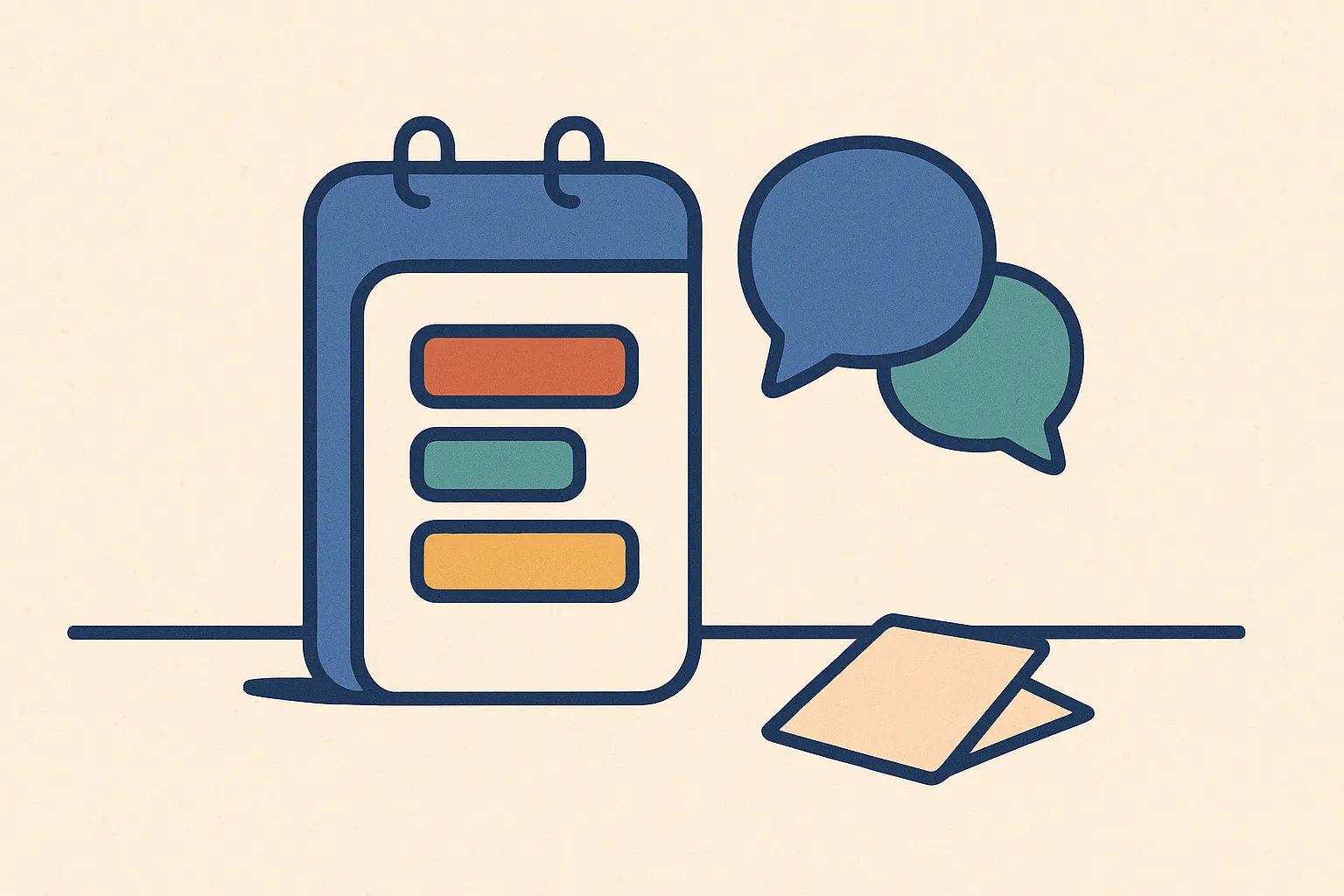
Franz a désormais un calendrier. Tes calendriers Google, Outlook et iCloud, réunis dans une vue du jour qui se place juste à côté de tes discussions et de ta boîte mail.
J'aurais pu le sortir il y a des années. Un calendrier est, à première vue, l'une des choses les plus simples à ajouter. Connecter les comptes, lire les événements, dessiner quelques cases sur une grille. La vraie question n'est donc pas pourquoi il a fallu si longtemps pour le construire. C'est pourquoi j'ai attendu jusqu'à maintenant pour le laisser entrer.
À quoi sert vraiment Franz
Franz a démarré en 2016 comme une seule fenêtre pour la messagerie. WhatsApp, Slack, Signal, Telegram et des dizaines d'autres, côte à côte, pour que tu arrêtes de sauter entre les onglets et les applis toute la journée. C'était toute l'idée, et c'est encore la colonne vertébrale du produit.
Ce qui a trouvé un écho, ça n'a jamais été "plus d'applis au même endroit". C'était moins de changements. Chaque fois que tu passes d'un outil à un autre, tu paies une petite taxe : tu recharges le contexte, tu perds ta place, tu vérifies trois autres choses en chemin. Fais ça quelques centaines de fois par jour et la journée est partie. Franz existe pour aplatir cette taxe.
Franz 6 a élargi l'idée sans la casser. L'e-mail natif est arrivé, pour que la moitié lente et formelle du travail vive dans la même fenêtre que la moitié rapide, en temps réel. Une couche asynchrone et intelligente est venue par-dessus, pour que Franz puisse te remettre à niveau sur tout et t'aider à rédiger la prochaine réponse, avec le bon contexte déjà attaché.
Chacun de ces ajouts devait mériter sa place face à une seule question : est-ce que ça rend la journée plus calme, ou juste plus chargée ?
Pourquoi je n'ai pas ajouté de calendrier plus tôt
Un calendrier échoue à ce test pendant longtemps.
À lui seul, un calendrier vissé dans une appli de messagerie n'est qu'un onglet de plus. Il ne réduit pas les changements, il ajoute une surface. Pour tout ce qui est sérieux, tu ouvrirais quand même ton vrai calendrier, et Franz aurait une demi-fonctionnalité qui prend la poussière. J'ai sorti assez de logiciels pour savoir comment ça finit.
Ce qui a changé, ce n'est pas le calendrier. C'est tout ce qu'il y a autour.
Une fois que tes conversations et ta boîte mail vivent déjà dans Franz, l'axe manquant devient évident. Les messages et les e-mails te disent quoi faire. Ils sont pleins de demandes, de fils, de validations et de relances. Ce qu'ils ne te disent jamais, c'est quand. Le temps est la seule dimension qui manque structurellement à un espace de messagerie, et c'est la dimension qui décide si l'une de ces demandes finit réellement par être faite.
C'est le moment où un calendrier cesse d'être un onglet et devient la pièce manquante. Pas "voici une appli de plus". Plutôt : voici la forme de ta journée, juste à côté des conversations qui la remplissent.
C'est une petite chose qui change discrètement la façon dont la fenêtre se lit. La réunion que tu avais oubliée et qui est dans vingt minutes ne se cache plus dans un onglet que tu n'as pas ouvert. L'appel client et ce que tu as promis à la famille atterrissent dans le même coup d'œil. Tu réponds au message et tu vois déjà si tu as vraiment le temps de dire oui.
Là où il rencontre l'IA
C'est aussi là que le calendrier fait plus que dessiner des cases.
La couche asynchrone de Franz est conçue pour te remettre à niveau : ce qui s'est passé sur tes messages et ta boîte mail pendant que tu étais en pleine concentration, et ce qui mérite une réponse. Jusqu'ici, elle pouvait voir le quoi. Elle ne pouvait pas voir le quand. Donne-lui ta journée, et "ce qui vient ensuite" cesse d'être un vague ressenti pour devenir concret. L'assistant sait que tu as un créneau de quatre-vingt-dix minutes avant le prochain appel, et que deux des fils qui t'attendent se règlent vite. Il peut te dire que la proposition part mieux ce soir que demain midi, parce qu'il peut voir demain.
Messagerie, e-mail, rattrapage asynchrone et maintenant le temps, dans une seule fenêtre, qui alimente un seul assistant. C'est la combinaison que j'attendais vraiment. Le calendrier était la dernière pièce structurelle qui fait que l'ensemble devient un espace de travail au lieu d'un tas de fonctionnalités.
Ton agenda reste le tien
Un calendrier, ce sont des données intimes. C'est où tu es, qui tu rencontres, quand tu n'es pas à ton bureau, et les petits événements privés que tu ne mettrais jamais dans un outil de travail. Je prends ça au sérieux, exactement comme je prends tes messages et ta boîte mail au sérieux.
Voici donc la partie qui compte le plus, pour le dire clairement : ton calendrier n'est pas synchronisé avec les serveurs de Franz. Il est lu sur ta machine et il reste sur ta machine. Franz ne garde aucune copie de ton agenda, parce qu'il n'y a rien à copier. Par défaut, l'ensemble est 100% local.
L'IA est la seule partie qui peut aller au-delà de ton appareil, et même ça, c'est ton choix. Fais tourner le modèle local et rien ne quitte ta machine, pas même pour l'assistant : il vit sur ton matériel et répond là. Utilise Franz Cloud AI et ça tourne sur une infrastructure européenne, sous la même promesse de confidentialité que tout le reste. Apporte ta propre clé et seules les données pertinentes vont au fournisseur que tu as choisi, à tes conditions. Dans tous les cas, c'est un choix délibéré que tu fais sur le moment, pas une synchronisation silencieuse en arrière-plan, et seule la part de données dont une requête a besoin se déplace. Ton agenda n'est jamais vendu, jamais exploité pour bâtir un profil publicitaire, et jamais transformé en données d'entraînement.
Si tu veux la version longue de pourquoi le local-first compte et comment c'est construit, j'en ai parlé dans pourquoi Franz tourne sur une infrastructure européenne.
La dernière pièce
Je ne veux pas dire que le calendrier est la dernière chose que Franz sortira un jour. Il y a encore beaucoup à venir.
Je veux dire que c'est la dernière pièce structurelle de ce que je m'étais fixé de construire : un espace de travail calme où ta messagerie en temps réel, ton e-mail, ton rattrapage asynchrone, ton assistant IA et maintenant ton temps vivent tous ensemble, au lieu d'être éparpillés sur une dizaine d'onglets qui veulent chacun toute ton attention.
Pendant dix ans, Franz s'est attaqué au même problème sous différents angles. Le calendrier est l'angle qui relie le reste. C'est la différence entre une appli qui contient tes conversations et un espace de travail qui comprend ta journée.
C'est la version de Franz que je voulais depuis le début. Il lui fallait juste que toutes les autres pièces soient d'abord en place.
Stefan
- franz 6
- calendrier
- philosophie produit
- travail apaisé
- récit de fondateur
Lectures liées
Dix ans de Franz
Franz fête ses dix ans. Franz 6 sort maintenant. Le mot d'un fondateur : un prototype de week-end, une levée esquivée, et pourquoi une personne suffit.
Ta boîte mail est une mine d'or de renseignement privé
Ta boîte mail est un jeu de données comportementales caché à la vue de tous. Franz la transforme en couche de renseignement privée, entièrement sur ta machine.
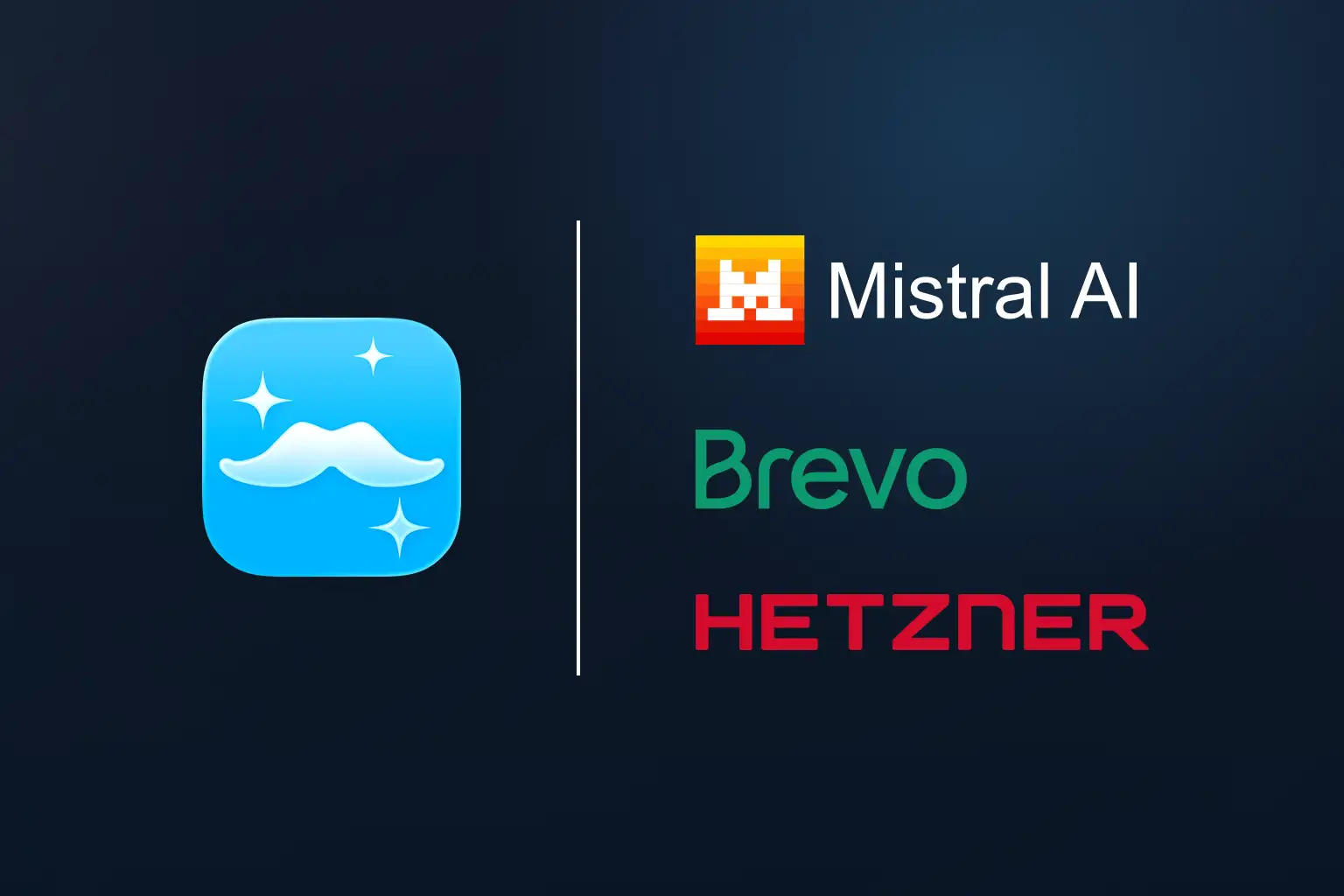
Pourquoi Franz tourne sur une infrastructure européenne
La confidentialité, ce n'est pas une page légale. C'est une liste de prestataires. Pourquoi chaque serveur, IA et e-mail de Franz répond à un tribunal européen.